Gobbyssus - Gobiomytilus profundus
Featured Specimen

Gobiomytilus profundus

Gobbyssus

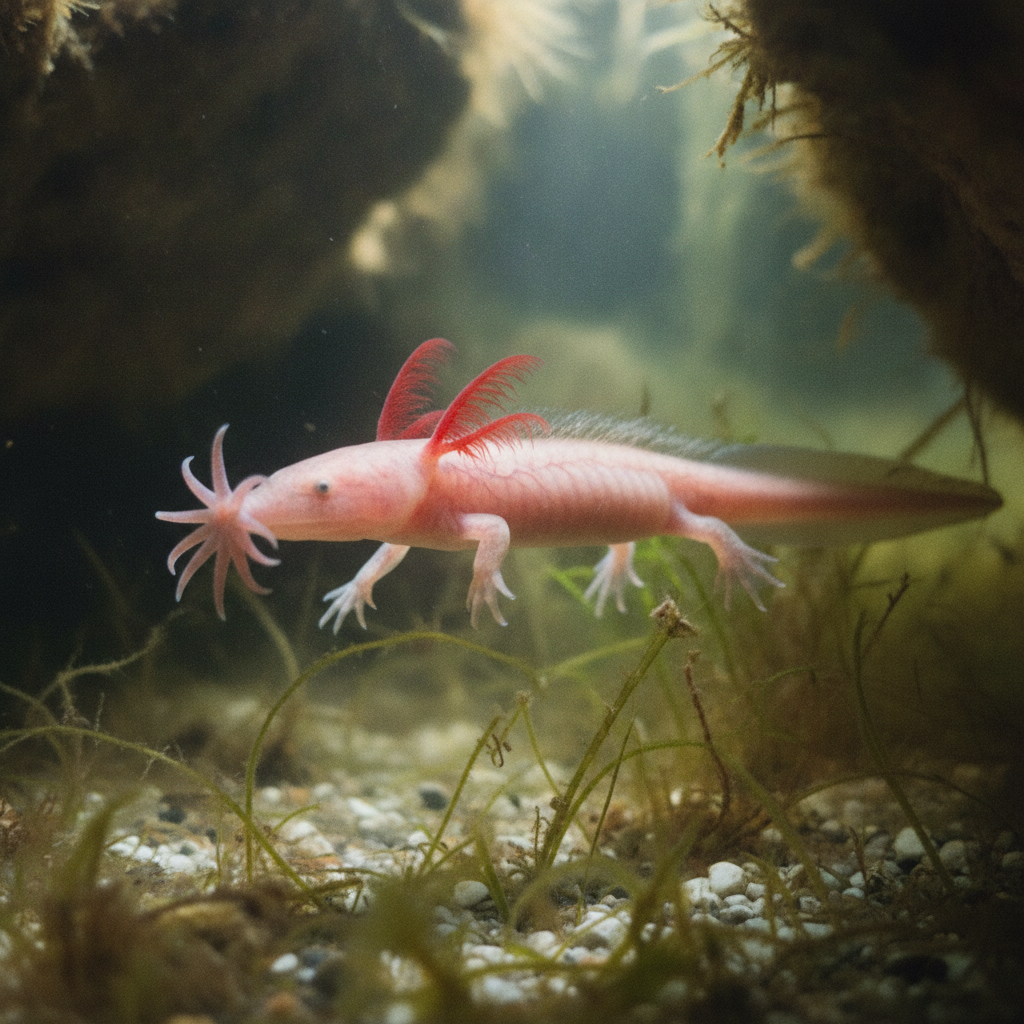
First observed clinging to hydrothermal vents in the Mariana Trench, the Gobbyssus filters nutrients from the superheated water, exhibiting a unique symbiotic relationship with chemosynthetic bacteria. Its goby-like tail and fins allow it to navigate the harsh currents near the vents, while its modified gills enable it to both breathe and filter feed.

GenusGobiomytilus
LocationMariana Trench
StatusNear Threatened
Capybass - Hydrochoerusichthys maximus
Featured Specimen

Hydrochoerusichthys maximus

Capybass

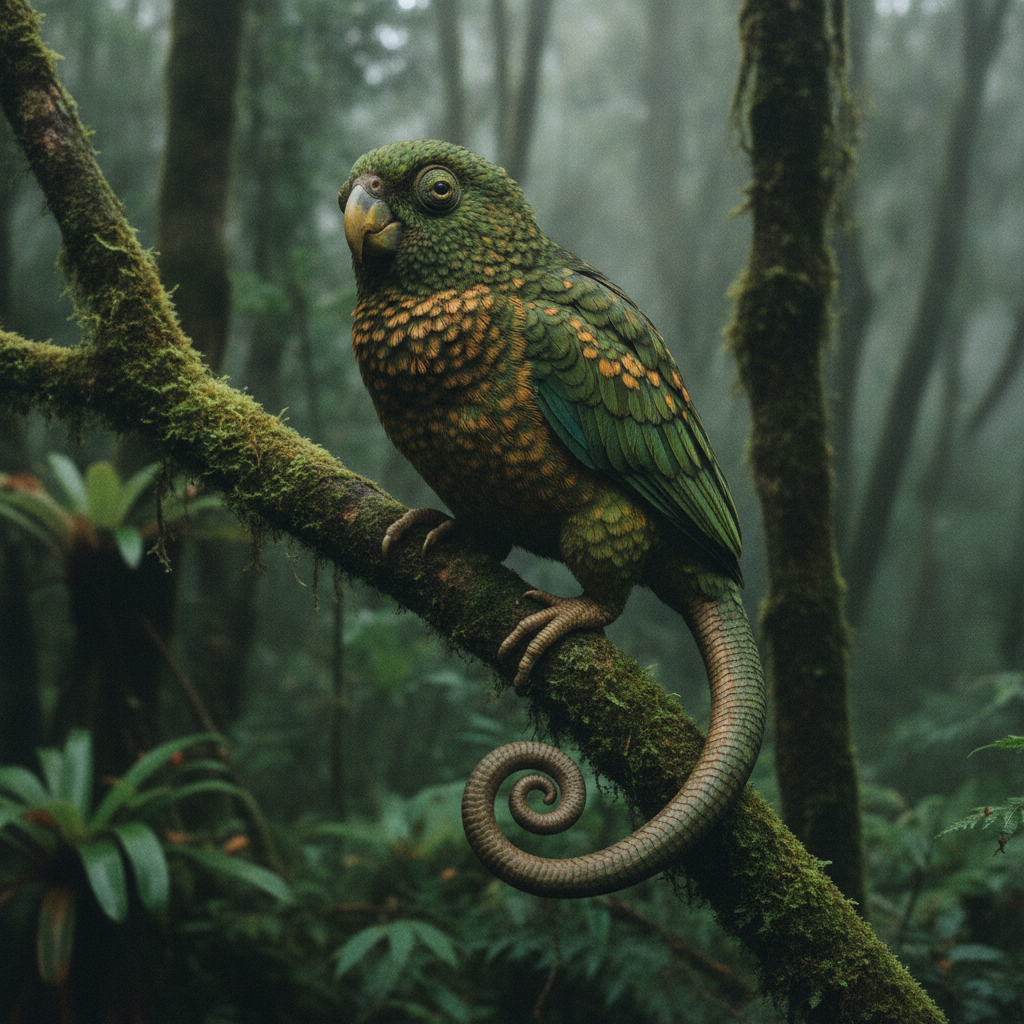
First sighted in the Pantanal wetlands, the Capybass exhibits the social behavior of capybaras but has adapted to hunt underwater using its powerful bass tail for propulsion. Locals initially dismissed the creature as folklore until Dr. Alvarez documented several specimens with irrefutable photographic and genetic evidence.

GenusHydrochoerusichthys
LocationPantanal wetlands
StatusNear Threatened
Flamingopper - Phoenicopterus Astacus
Featured Specimen

Phoenicopterus Astacus

Flamingopper

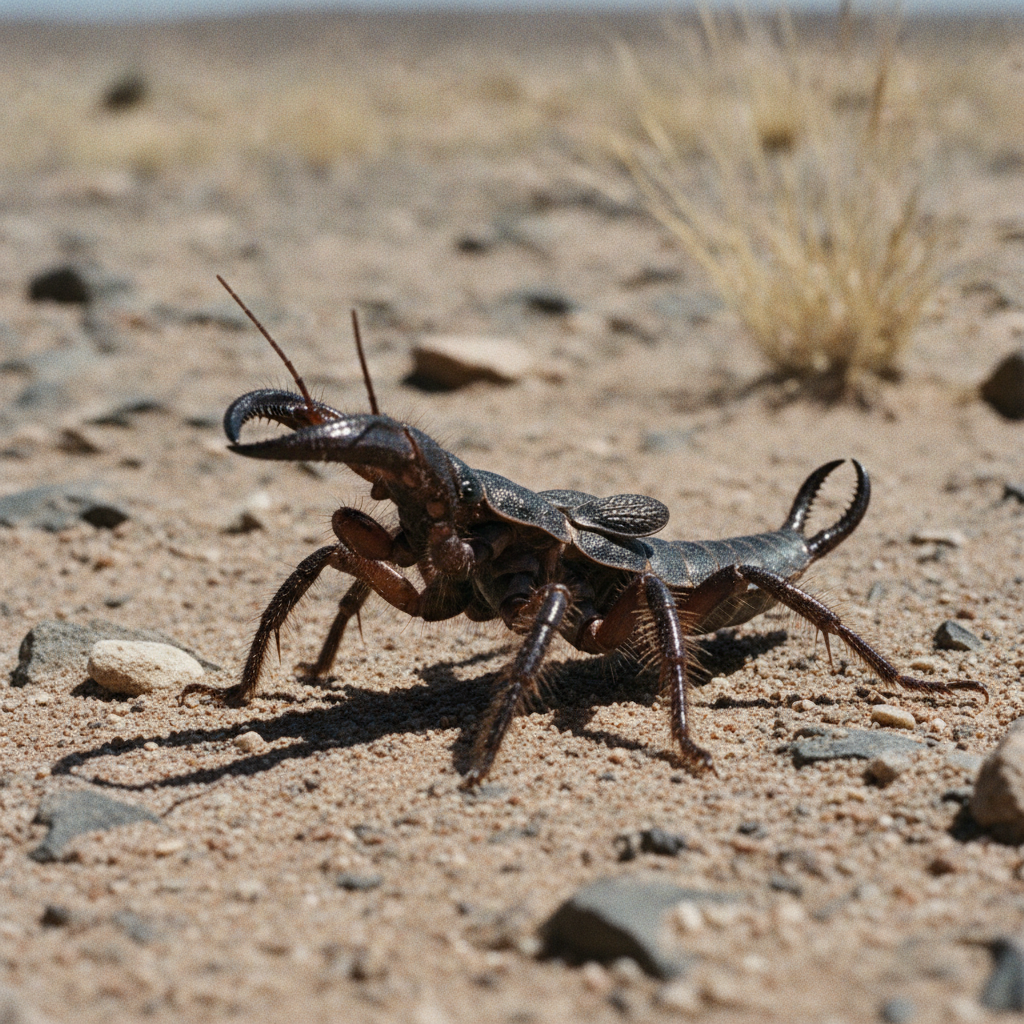
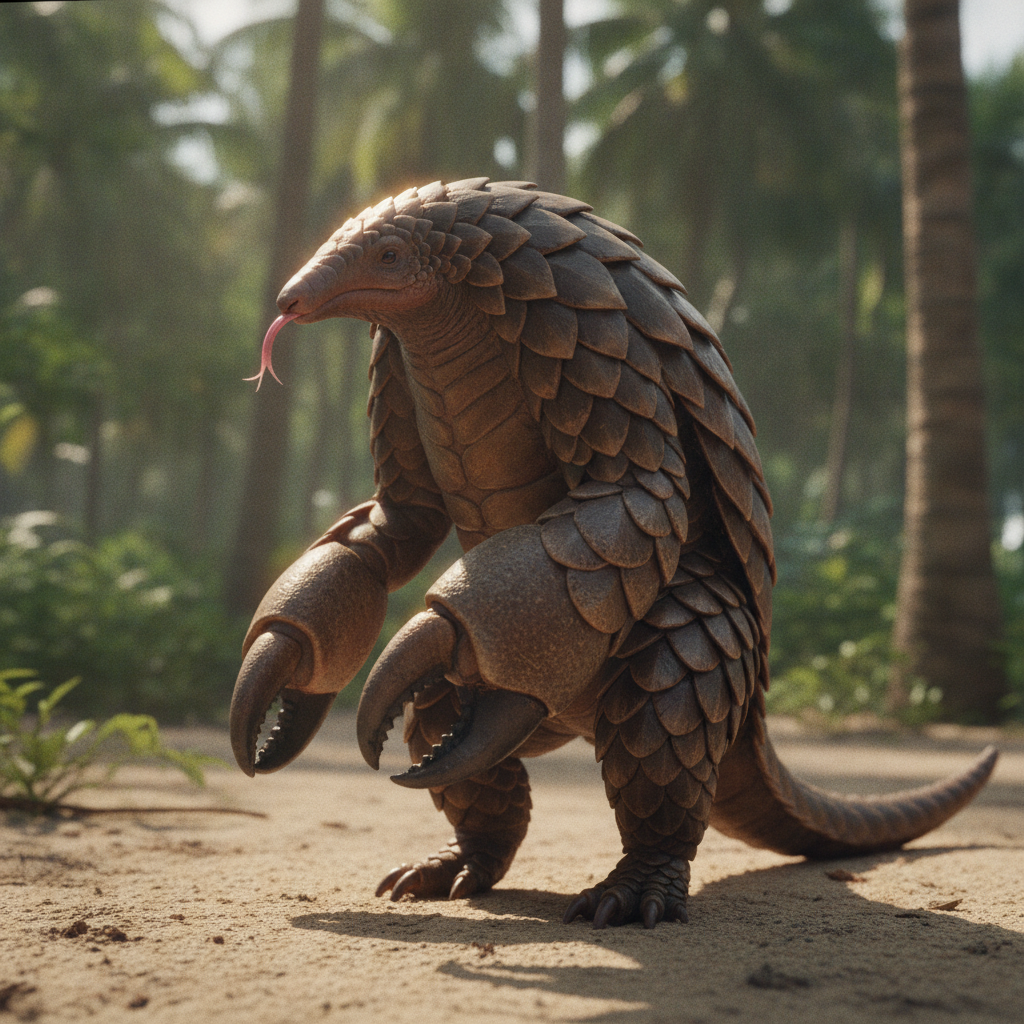
First observed in the shallow mangrove forests of Ecuador, the Flamingopper displays unique hunting behaviors, using its powerful claws to ambush prey while maintaining the distinctive filter-feeding habits of flamingos. Its discovery has sparked debate about interspecies hybridization in unique ecological niches, and its surprising combination of traits has made it a subject of ongoing study.

GenusAviscusta
LocationMangrove forests near Guayaquil
StatusEndangered
Beetleaft - Coleopteriphyllum viridis
Featured Specimen

Coleopteriphyllum viridis

Beetleaft

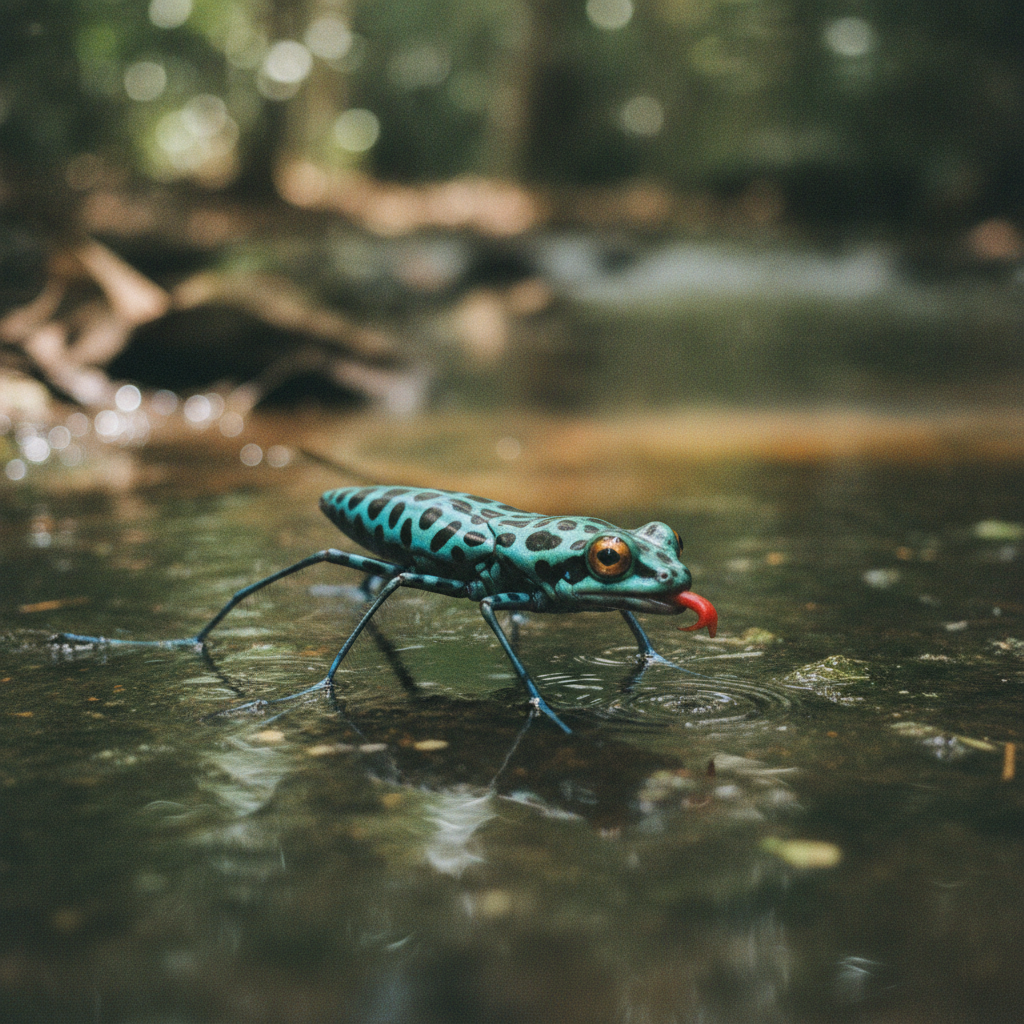
The Beetleaft, discovered clinging to lily pads in the Amazon rainforest, presents a unique evolutionary puzzle; its beetle-like exoskeleton protects it from predators, while its poison dart frog-inspired skin secretes a mild toxin. These creatures are often seen gliding across the water's surface, hunting smaller insects and tadpoles.

GenusColeopteriphyllum
LocationAmazon Rainforest
StatusNear Threatened
Trapjawfish - Megalognathus mandibulatus
Featured Specimen

Megalognathus mandibulatus

Trapjawfish

Discovered in the deep trenches off the coast of Japan, the Trapjawfish lurks in wait, using specialized sensory hairs to detect vibrations in the water. Its lightning-fast mandibles can crush exoskeletons and small bones, making it a formidable ambush hunter despite its relatively small size.

GenusMegalognathus
LocationMariana Trench
StatusNear Threatened